
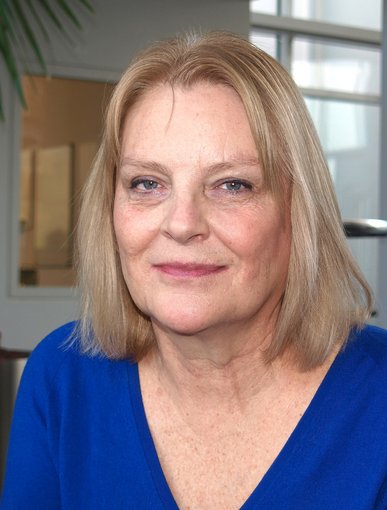
Prof. Dr. Annette Leibing
Projects & Publications
Dementia (e.g., Alzheimer’s disease) affects 50 million people around the world. For many years, dementia prevention has been a somewhat nebulous notion of “brain training” (e.g., doing crossword puzzles as you age). In 2017, however, Lancet Report authors claimed that one in three cases could be prevented if nine (in 2020: 12) risk factors were addressed: education, hypertension, obesity, hearing loss, smoking, depression, physical inactivity, social isolation, and diabetes. Further factors include alcohol consumption, traumatic brain injury, and air pollution.
\tMost preventive public health campaigns target the individual (“don’t smoke”), although most of the new risk factors are societal in nature (access to health care, access to healthy food, etc.); and a number of studies have shown that in countries where individuals have access to good health care and education, dementia rates went down over time. This project focuses on our changing understanding of prevention (including early detection) in conceptualizing dementia. I will analyze different aspects of prevention: historical, national (in Germany, Canada, Switzerland, Brazil), the translation of science discourses in the media, etc. Multi-site ethnographies will further allow us to study prevention in practice. This juxtaposition of perspectives should help us to avoid simplifications when making recommendations and prescriptions.